


Violin
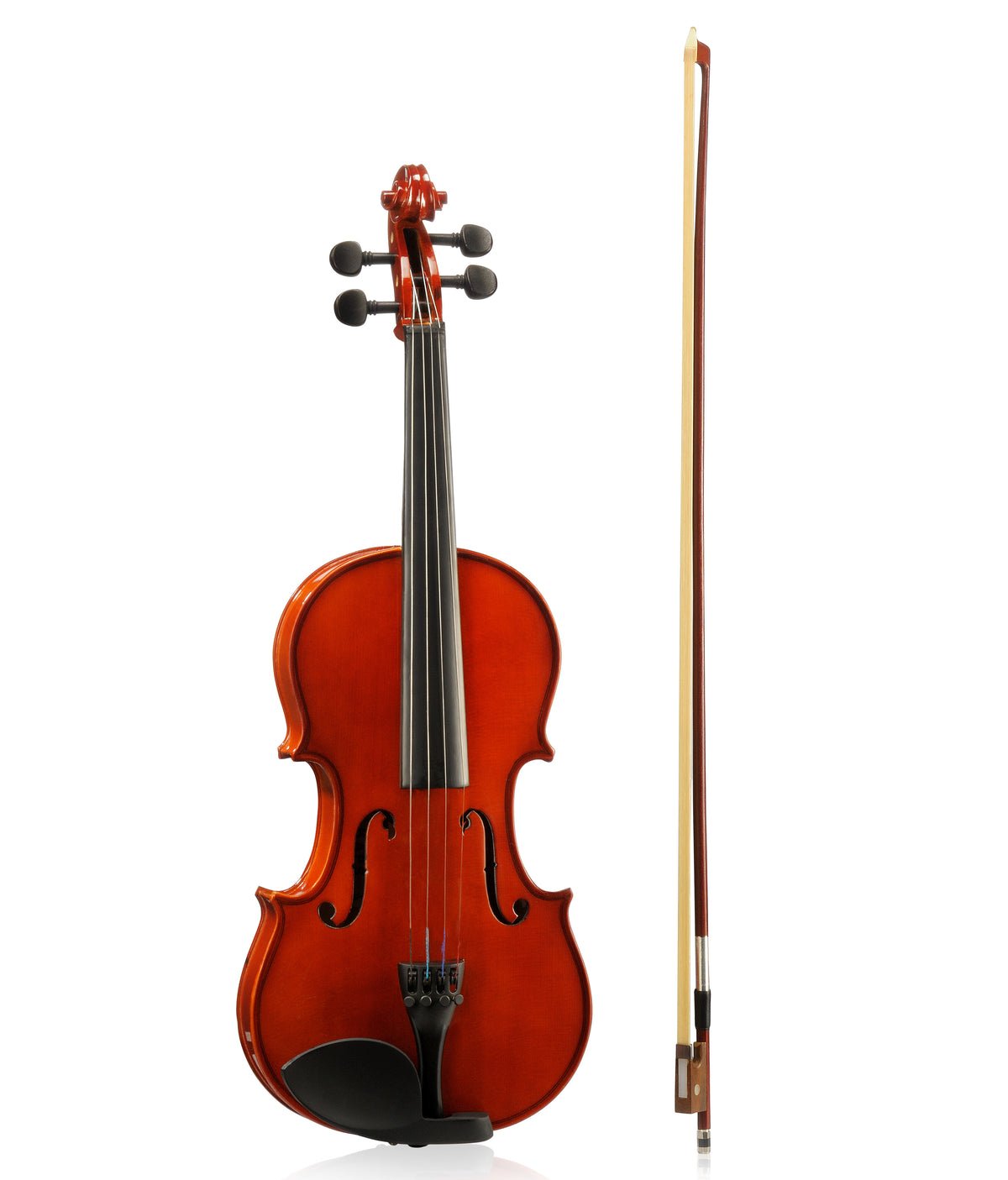
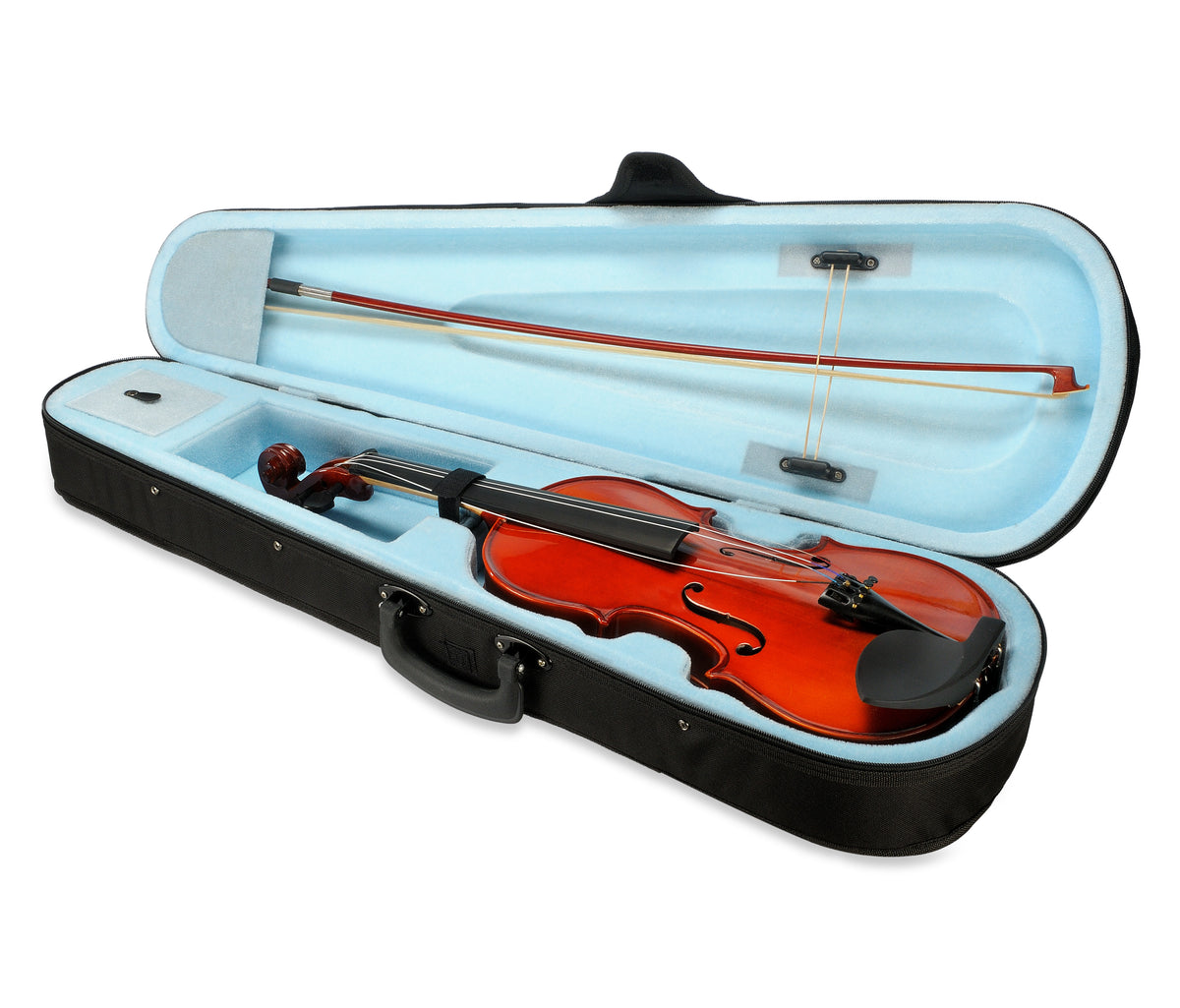
KAPS KV001 Violin – Hardwood Pegs, Chinrest, Aluminum Tailpiece & Bow – Normal Colour

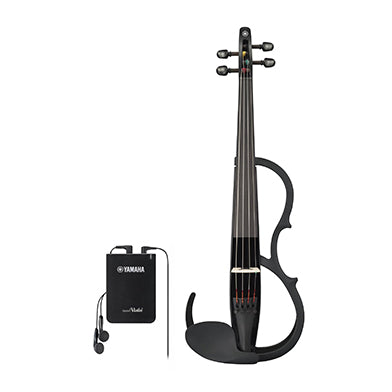
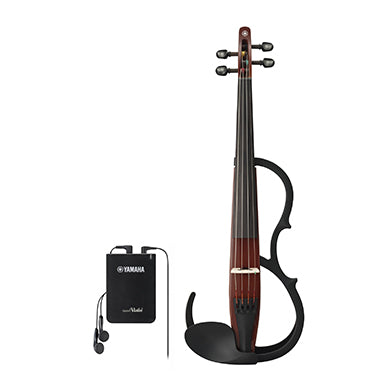

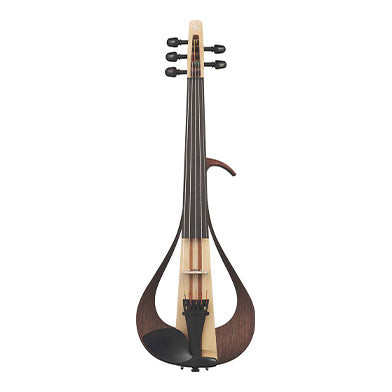
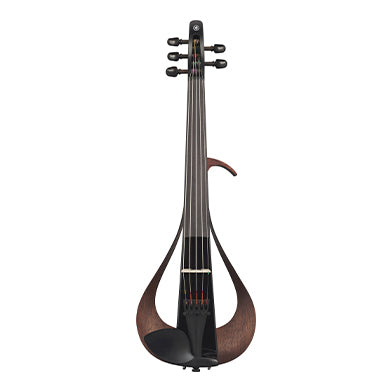
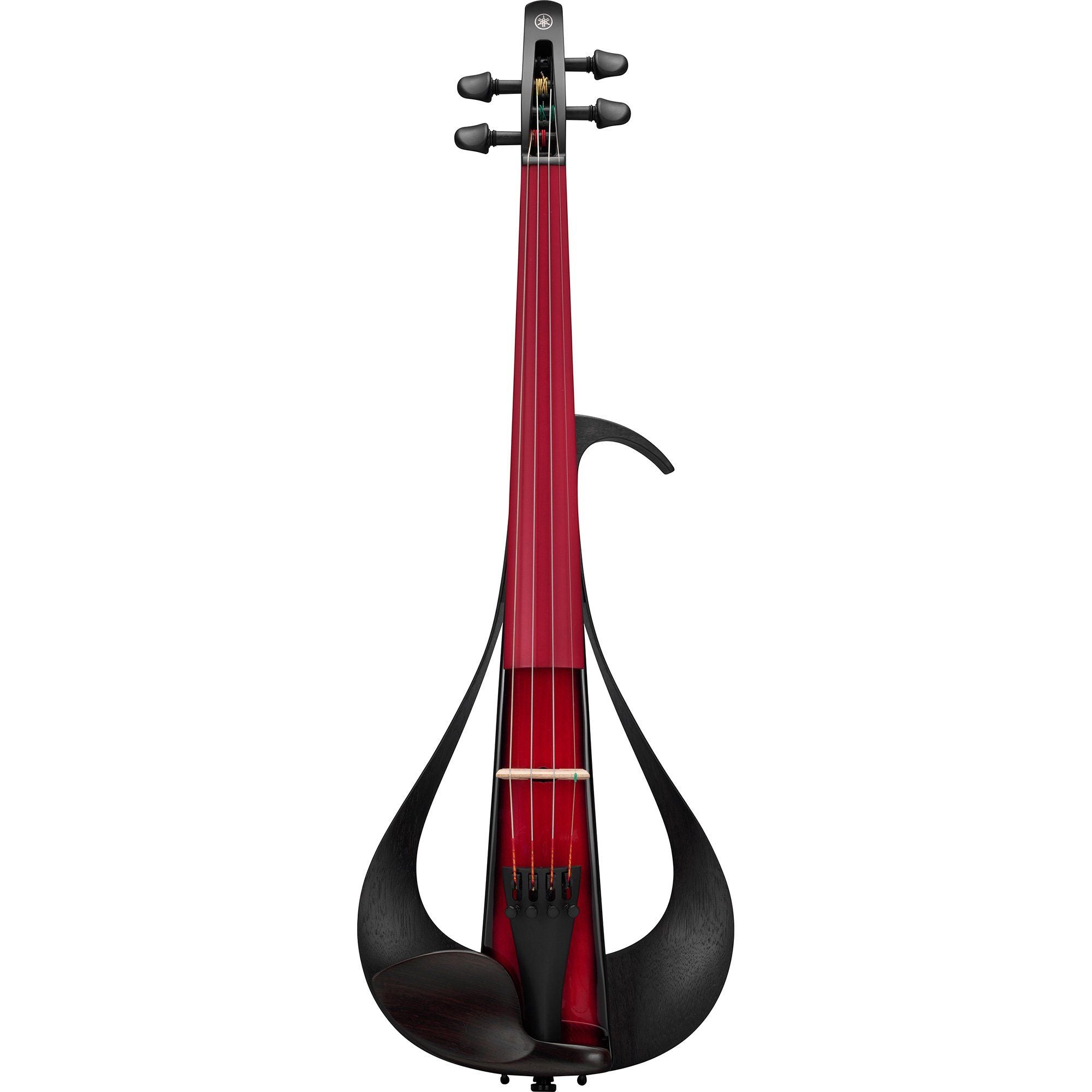
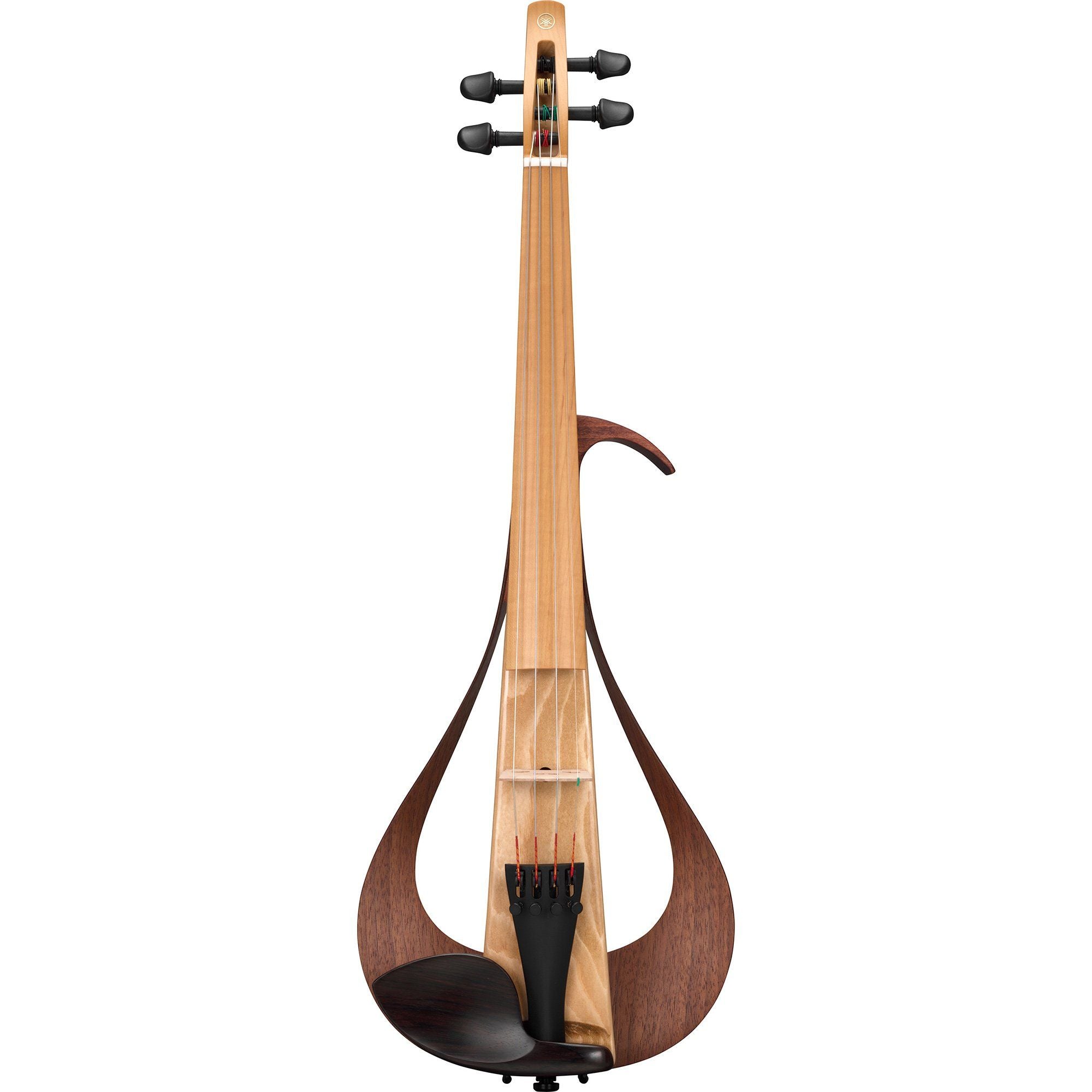
Yamaha YEV104PRO DEEP RED Electric Violin (4 Strings)
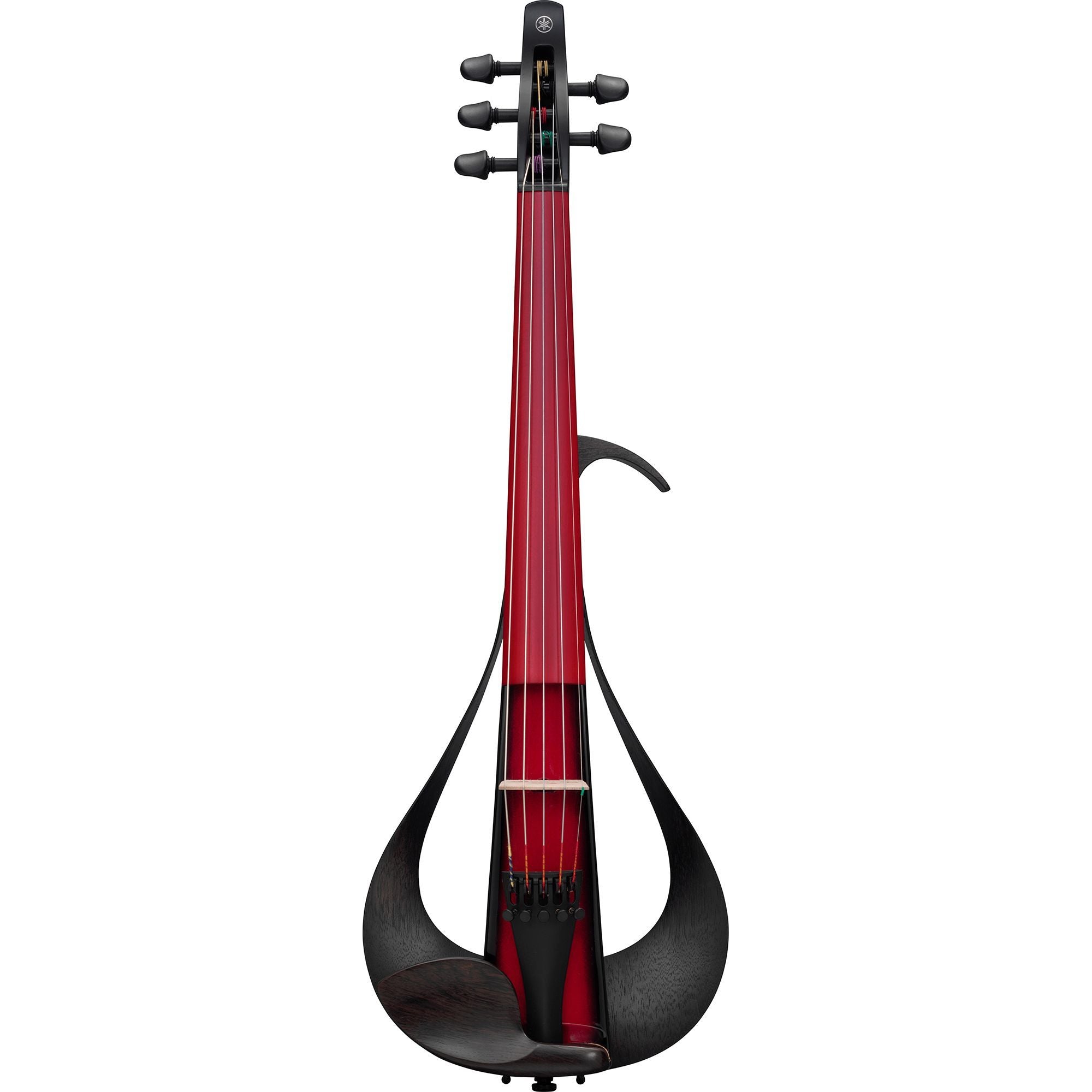
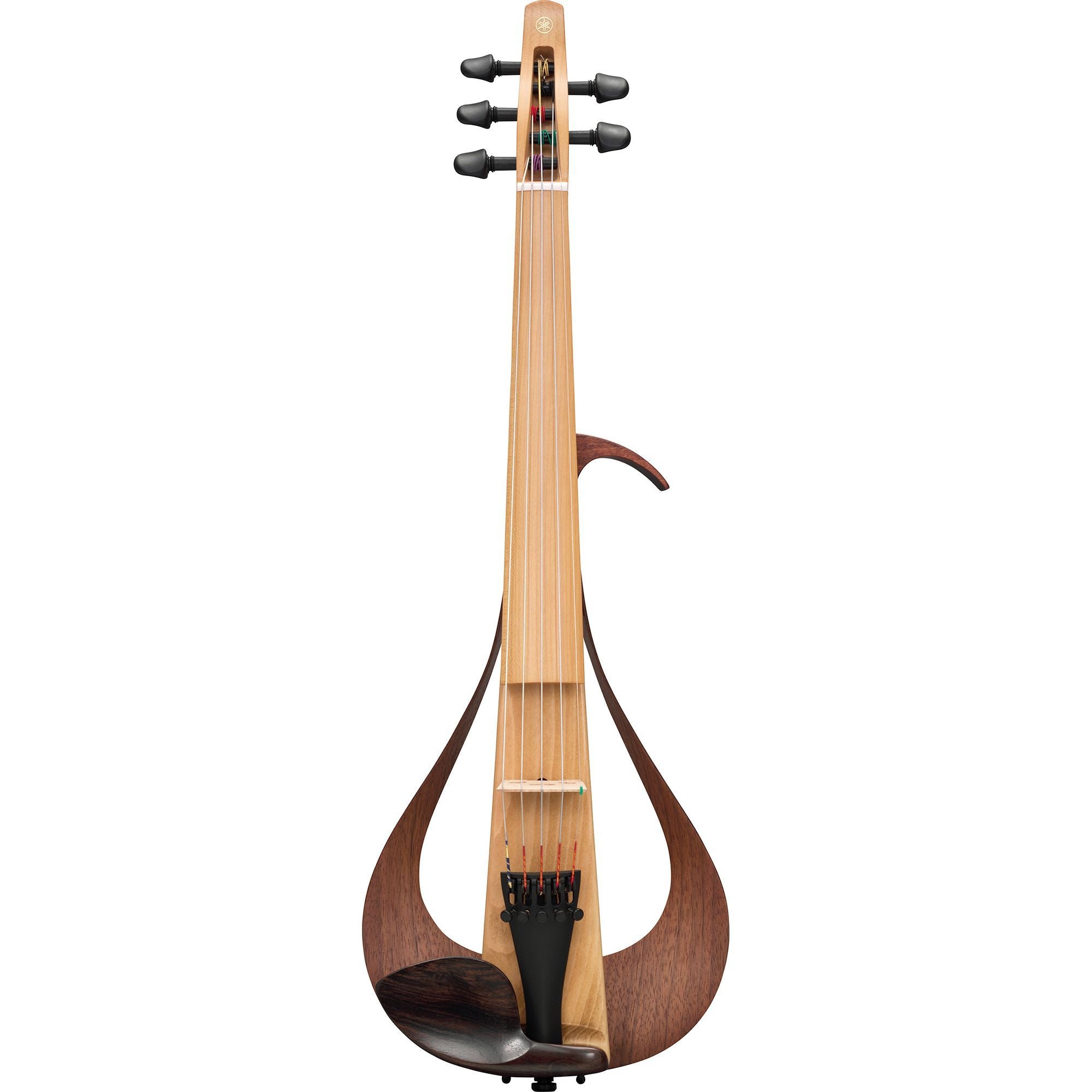
Yamaha YEV105PRO DEEP RED Electric Violin (5 Strings)



Violin
The violin is one of the most meaningful and eloquent instruments in the world. It rhymes in a Carnatic Kutcheri and glides through a Hindustani raga along with lifting a film score and anchoring a Western orchestra. Whether you are picking up a bow for the first time or leveling up to an instrument that suits your skill, All Music Mart makes it simple to buy violin online in India with a customised range of acoustic, electric and silent violins at prices that is suitable for students and professionals.
Selecting a violin can feel overwhelming particularly when you cannot hold it first. All Music Mart walks you through the products to look for and how you can pick the right size along with sharing tips on how to keep your instrument sounding its best in Indian weather.
Demand Drivers for Violins in India
- Deep classical tradition: the violin is central to Carnatic and widely used in Hindustani music. Generations of students learn it through gurus, music schools and examination boards, which creates a stable, repeat demand base.
- Music education growth: private music institutes, school music programmes and Western exam pathways are growing, especially in metros and expanding tier-2 cities. Educational institutions are the fastest-growing buyer segment.
- Ed-tech and online learning: free and paid video lessons have lowered the barrier to starting an instrument, boosting entry-level sales as beginners buy their first violin before finding a teacher.
- Film, fusion and live music: violins feature in film scores, fusion bands, wedding music and concerts, which encourages hobbyists and semi-professionals to upgrade to electric and higher-grade acoustic models.
- Rising disposable income: growing incomes support upgrades from budget violins to Yamaha-tier student and step-up instruments.
- Apartment living: urban households value silent violins because they allow late-night and shared-space practice.
- Online convenience: wider internet access, digital payments and better logistics help buyers outside big cities reach brands and price ranges that local shops may not stock.
- Gifting: festival seasons and birthdays drive gifting of instruments to children, boosting fractional-size violins and starter kits.
Why Buy Your Violin from All Music Mart?
- Range for every level: from budget-friendly beginner violins to step-up and advanced instruments, plus electric and silent models for modern players.
- Trusted brands: shop violins from well-known names such as Yamaha and KAPS, with clear specifications on each product page.
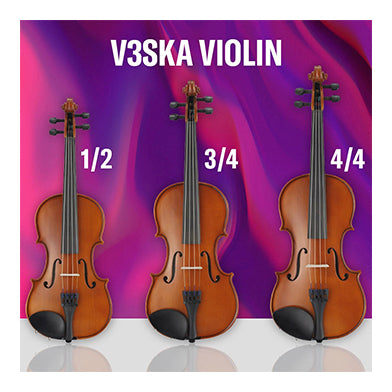
- Multiple sizes: popular student models are available in 4/4, 3/4 and 1/2 sizes, so young learners can start on a violin that fits.
- Real people to help: call us or message on WhatsApp for guidance on size, level and budget before you order.
- Clear policies: our Shipping, Warranty and Return and Exchange policy pages explain what to expect after you buy.
Explore Our Violin Collection
We organise our violins into three categories so you can quickly find the right type of instrument for how and where you play.
Acoustic Violins
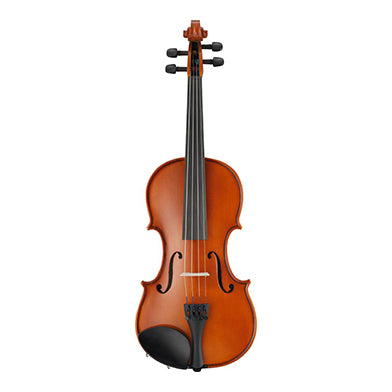
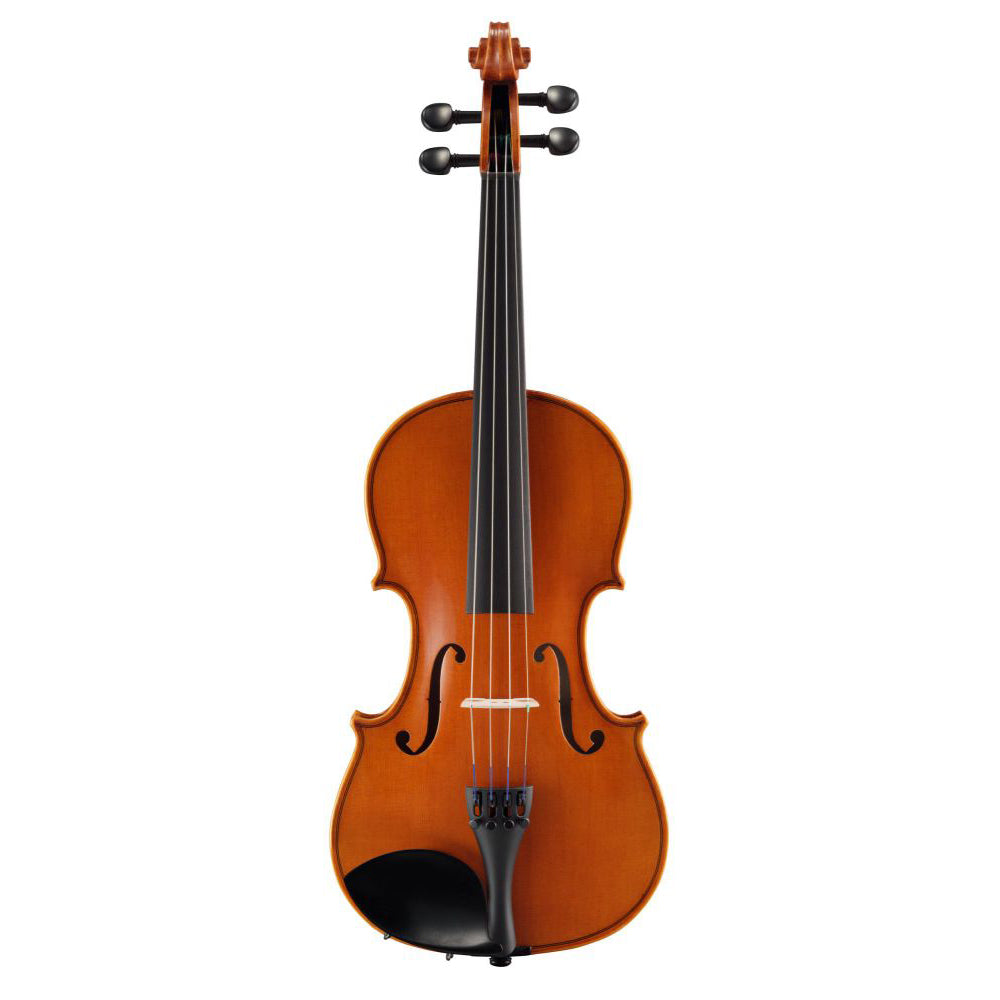
An acoustic violin is the classic choice and the best starting point for most learners. Its natural, resonant tone develops your ear, bowing control and intonation. Our acoustic range begins with simple, affordable outfits such as the KAPS KV001, which comes with a bow, chinrest and aluminium tailpiece, making it a practical first instrument for a child or a casual learner. For serious students, Yamaha student models such as the V3SKA and V5SC offer better craftsmanship, more stable tuning and a warmer tone. Players moving beyond the basics can explore the Yamaha V10G and V10SG, while advanced musicians will find the V20G and V20SG designed for richer projection and expressive control.
Electric Violins
Electric violins are built for stage, studio and creative sound design. They are lightweight, can be plugged into an amplifier or audio interface, and are ideal for fusion, film, band and live performance. Yamaha's electric range includes the YEV104 in natural and black finishes, the five-string YEV105, and the professional YEV104PRO and YEV105PRO in deep red. The added low string on five-string models gives you a wider range for modern arrangements.
Silent Violins
A silent violin is a practical answer for busy Indian homes. Practise late at night, in an apartment or in a shared space with headphones, so you can put in the hours without disturbing anyone. The Yamaha YSV104 has a slim body, natural playing feel and headphone output, which is why it is popular with students, teachers and working musicians who need quiet practice time.
How to Choose the Right Violin
The best violin is the one that suits your level, size and budget. Keep these points in mind while you shop.
1. Your Playing Level
Beginners should prioritise a well-set-up, comfortable instrument with reliable tuning, rather than the most expensive one. Intermediate players benefit from better woods, richer tone and improved fittings. Advanced players should look for projection, responsiveness and a violin that rewards refined technique.
2. The Right Size
A violin that is too large causes tension and poor posture, so size matters more than most buyers realise. As a rough guide, measure from the base of the neck to the middle of the palm with the arm stretched out to the side:
|
Approximate arm length |
Suggested violin size |
|
About 58 cm and above |
4/4 (full size), typical for teens and adults |
|
About 55 to 58 cm |
3/4 |
|
About 51 to 55 cm |
1/2 |
|
Below about 51 cm |
1/4 or smaller, ask us for guidance |
3. Materials and Build
Quality violins typically use a spruce top and maple back and sides, with hardwood fittings for pegs and chinrest. Better instruments use seasoned wood and more careful assembly, which improves tone and keeps the violin stable through changes in weather.
4. Your Budget
Prices in our collection range from affordable entry-level outfits to premium professional instruments. Spend as much as you comfortably can on the violin itself, and remember to budget for essentials such as a case, rosin and spare strings.
Acoustic, Electric or Silent: Which Should You Buy?
- Choose acoustic if you are a beginner, plan to perform unplugged or want the richest natural tone. Most teachers recommend it as the first instrument.
- Choose electric if you play with a band, record in a studio or want to shape your sound with effects and amplification.
- Choose silent if you practise at odd hours or live in shared housing. It is also an excellent second instrument for acoustic players.
Violin for Indian Classical and Western Music
The violin has a special place in Indian music. In Carnatic music it is a leading melodic instrument and a frequent accompaniment for vocalists, and it is played seated with the scroll resting near the foot. In Hindustani music it follows the microtones and glides of the raga. It is also everywhere in film music, devotional music and fusion. Western classical students, on the other hand, learn to play standing or seated with the violin resting on the shoulder.
Indian classical players often tune the strings to the tonic and fifth of the chosen shruti instead of the Western G, D, A, E. A good acoustic violin with stable pegs and quality strings is important for this, because the strings are retuned often. Ask your teacher what they prefer, and let us know if you need help selecting a violin for your style.
Essential Violin Accessories
A violin is only part of the picture. These accessories help you play comfortably and protect your investment:
- Bow and rosin: rosin gives the bow grip, and it needs replacing when it runs low or cracks.
- Shoulder rest and chinrest: comfort items that reduce strain, particularly for Western-style playing.
- Spare strings: strings lose brightness over time and can break, so keep a spare set.
- Clip-on tuner: helps you tune accurately, especially in the early months.
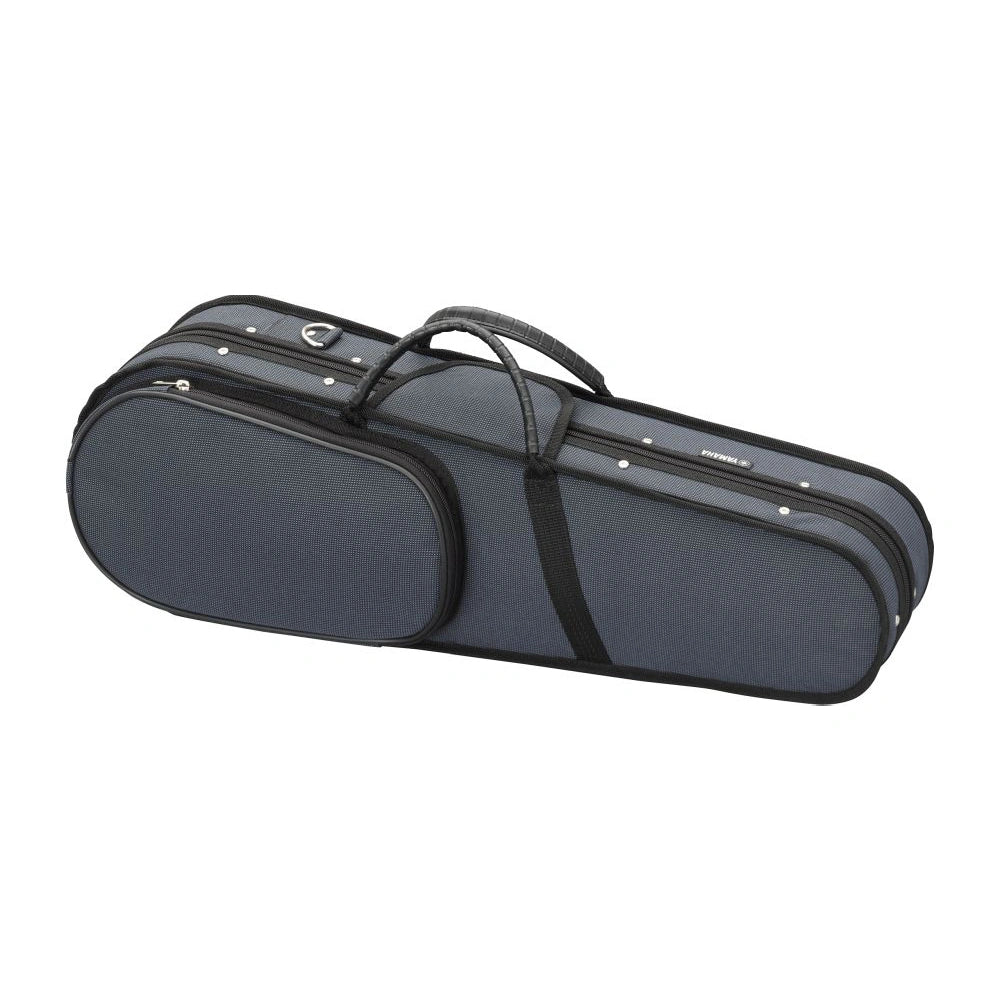
- Hard case or gig bag: protects against knocks, dust and sudden temperature changes.
Caring for Your Violin in Indian Weather
Heat, humidity and monsoon moisture are hard on wooden instruments. A few habits make a big difference. Keep your violin in its case when not in use, and never leave it in a parked car or beside a window. Avoid damp rooms, loosen the bow after playing and wipe the instrument gently with a dry cloth. Silica gel sachets in the case help reduce moisture during the rainy season. If the strings buzz, the bridge leans or the pegs slip repeatedly, have a qualified violin technician check the setup.
Ready to Find Your Violin?
Explore our acoustic, electric and silent violins above, or contact All Music Mart on 0172-4523398 or WhatsApp for personal recommendations. Tell us your level, budget and style of music, and we will help you find a violin you will love playing.
Frequently Asked Questions About Violin
Q: Which is the best violin for beginners in India?
A: For most beginners, a reliable acoustic violin in the correct size is best. Budget outfits like the KAPS KV001 suit casual learners, while Yamaha student models such as the V3SKA and V5SC offer better build quality and stable tuning for serious students.
Q: What is the price of a violin in India?
A: Prices depend on the level and brand. At the time of writing, our acoustic range starts from a few thousand rupees for entry-level outfits, moves to roughly the ₹28,000 to ₹37,000 range for Yamaha student models and rises to the ₹74,000 to ₹1.8 lakh range for step-up and advanced instruments.
Q: How do I choose the right violin size?
A: Measure from the base of the neck to the middle of the palm with your arm stretched out. That length points to the right size, from 4/4 for most adults to smaller fractions for children. If you fall between two sizes, pick the smaller one and ask a teacher or our team.
Q: Is it safe to buy a violin online?
A: Yes, when you buy from a retailer with clear product details, support and policies. Check the specifications, read the shipping, warranty and return pages, and contact us if you are unsure. On delivery, inspect the violin and have a teacher check the setup.
Q: What is the difference between acoustic, electric and silent violins?
A: An acoustic violin produces sound through its hollow body and suits learning and unplugged performance. An electric violin needs an amplifier and is built for stage and studio. A silent violin has a slim body and headphone output so you can practise quietly.
Q: Can a beginner start with an electric or silent violin?
A: Yes, but most teachers prefer beginners to start with an acoustic violin because it helps develop tone and bowing control. A silent violin is an excellent addition when you need quiet practice time.
Q: Which violin is best for Carnatic or Hindustani music?
A: A good-quality acoustic 4/4 violin with stable pegs and strong strings works well for Indian classical music. Since strings are often tuned to the shruti, look for an instrument that holds tuning and speak to your guru about their preferences.
Q: How often should I change violin strings?
A: Change strings when they sound dull, feel rough, stop holding tune or show visible wear. Regular players often replace them every few months, and heavy daily use may require sooner replacement. Keep a spare set for emergencies.